Autism Awareness Day
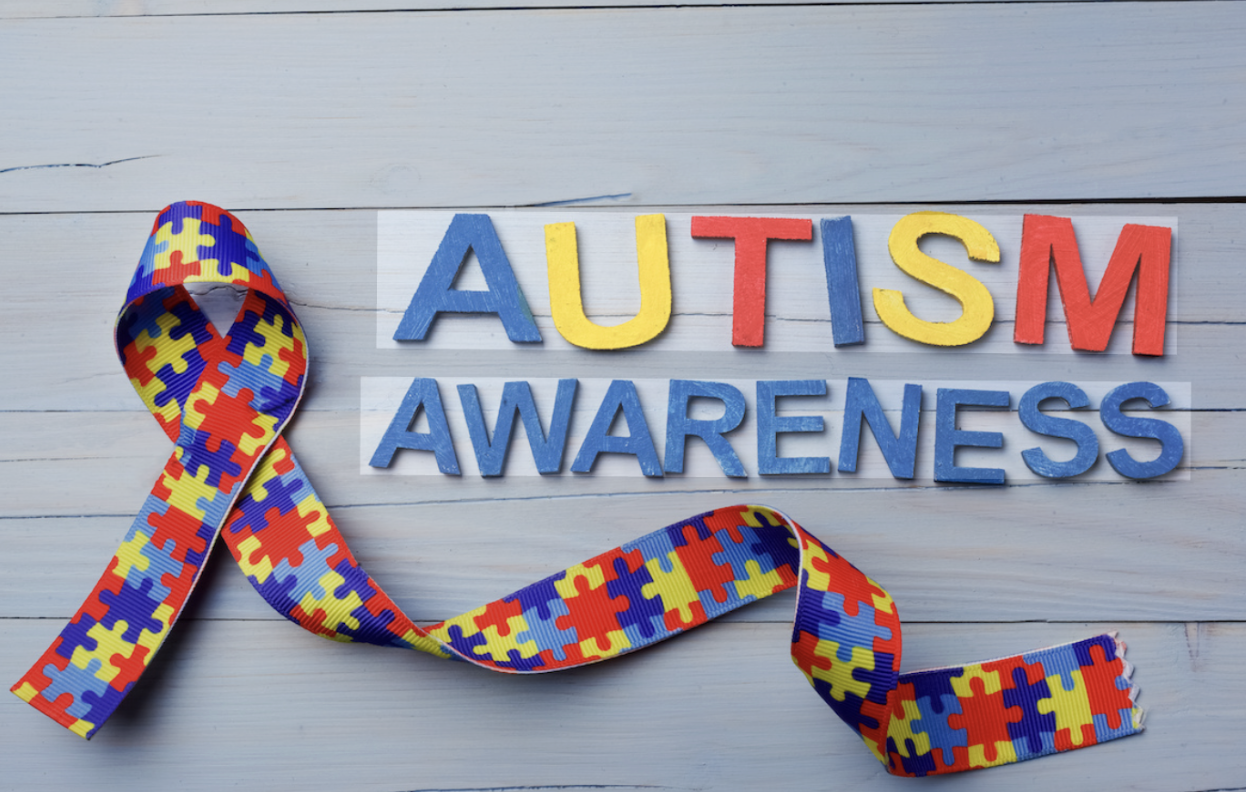
Autism, Mental Health, and Substance Use World Autism Awareness Day (April 2nd) and Autism Awareness Month (April) were created to increase the understanding of autism and the experiences of individuals on the autism spectrum. While a lot of the conversation focuses on acceptance and inclusion, this awareness also provides an opportunity to discuss an important but less frequently addressed topic; the connection between autism, mental health, and substance use.
Research shows that the relationship between autism and substance use is convoluted. Some studies suggest that those with autism may use alcohol or substances less frequently than the general population (Fulda et al., 2026). However, when substance use does occur, some studies indicate that individuals on the autism spectrum may face a higher risk of developing substance-related problems, particularly when other mental health conditions are present (Fulda et al., 2026).
Mental health plays an important role in this connection. Many individuals with autism experience higher rates of anxiety, depression, and social stress (Anxiety & Depression Association of America, 2026). These challenges can lead individuals to use substances as a way to cope with overwhelming emotions, sensory overload, or feelings of isolation. Another challenge is that many treatment programs for substance use are not designed with people who have cognitive or developmental disabilities in mind (Fulda et al., 2026). This can make it harder for individuals and families to find care that fits their needs.
People with conditions such as autism may experience social isolation, bullying, or difficulty accessing appropriate mental health support at a higher rate than their neurotypical counterparts (Daghustani et al., 2025). These experiences can increase vulnerability, particularly if individuals do not have strong protective factors such as supportive relationships, inclusive school environments, and accessible health services. Another factor is exposure and environment. Youth and adults with disabilities may sometimes be influenced by peers who use substances, especially if they are seeking acceptance or belonging (University of Cambridge, 2021). Furthermore, limited access to tailored prevention education can also leave some individuals without the information or coping strategies needed to make safe decisions.
This insight is important for prevention efforts. Substance use prevention is not only about discouraging substance use, it is also about strengthening protective factors that support overall well-being. Access to supportive mental health services, inclusive school environments, strong family connections, and communities that understand neurodiversity can all play a role in reducing risk.
When communities work to create those kinds of supports, they help build environments where everyone has the opportunity, no matter ability status, to thrive.
References
Anxiety & Depression Association of America. (2025, September). What is Autism Spectrum Disorder (ASD)? https://adaa.org/understanding-anxiety/autism-anxiety-depression
Daghustani, W. H., Abo Hamza, E. G., Hogg, R., & Moustafa, A. (2025). Autism, bullying, and mental health: a comprehensive systematic review. Frontiers in psychiatry, 16, 1653663. https://doi.org/10.3389/fpsyt.2025.1653663
Fulda, K. G., Walters, S. T., Barnett, T. E., Espinoza, A. M., Fleming, M., Muzaffar, O., Manning, S., Jones, K., Arellano, E., Rivera, J., & Lopez, C. (2026). Substance use disorder among people with intellectual and developmental disabilities: a narrative review. The American journal of drug and alcohol abuse, 1–15. Advance online publication. https://doi.org/10.1080/00952990.2025.2603241
University of Cambridge. (2021, July). Autistic individuals may be more likely to use recreational drugs to self-medicate their mental health. https://www.cam.ac.uk/research/news/autistic-individuals-may-be-more-likely-to-use-recreational-drugs-to-self-medicate-their-mental#:~:text=Drugs%20were%20used%20to%20reduce,among%20autistic%20teenagers%20and%20adults.