Not Just Another “Drug of the Month”
Conversations about substance use often follow a pattern. A new drug appears, the community is concerned, and the focus quickly turns to stopping that substance before it causes more harm. Over the years, the names have changed: prescription opioids, heroin, fentanyl, xylazine… but the cycle remains the same. Chasing drugs is like the game of Whack-A- Mole; when one drug gets whacked, another pops up. Each time one drug becomes harder to access, another takes its place, often more potent and more unpredictable than the last.
This pattern tells us something important; addiction isn’t really about any single substance. It’s about what brings people to use in the first place. Time and time again, we see untreated mental health needs, chronic pain, economic stress, social isolation, or trauma that have gone unaddressed for years. When responses focus only on eliminating a specific drug, they miss the deeper conditions that often precipitate addiction.
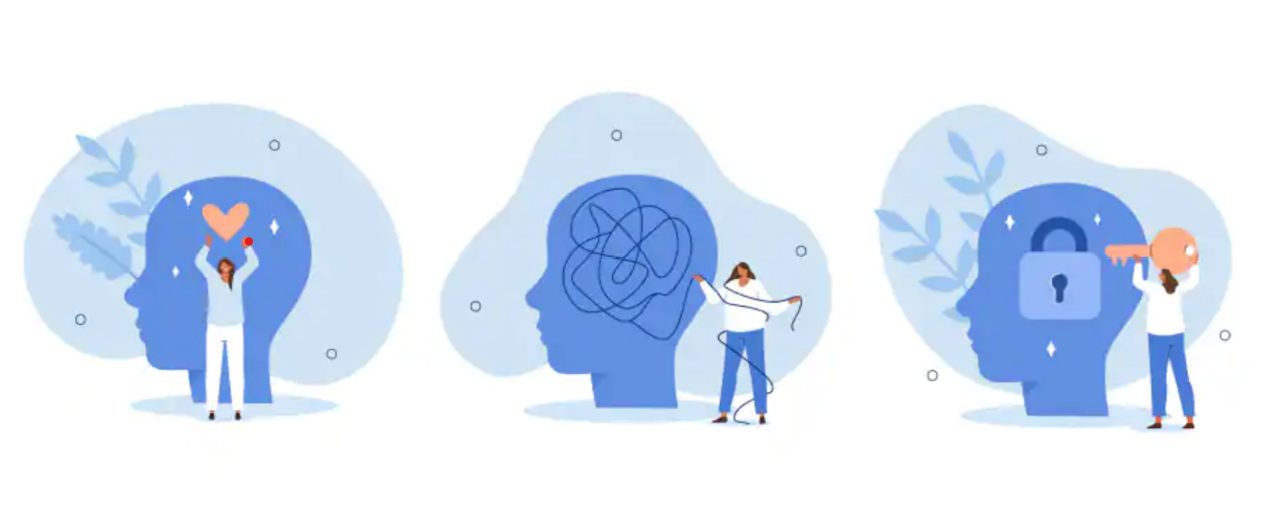
Photo: Girolimon,M., 2025
That’s why working with children and families matters so much. Many adults struggling with substance use were once children with high levels of stress, instability, and/or loss. Research around Adverse Childhood Experiences (ACEs) shows a clear connection between early trauma and later challenges with mental health and substance use. In the NRV, educators, counselors, healthcare providers, and youth-serving organizations see this firsthand. The earlier we respond with support, the less likely it is that coping through substances becomes the only option later on.
Being trauma-informed means shifting the question from “What’s wrong?” to “What happened?” It means recognizing that behaviors, whether in a classroom, a clinic, or a community, often make sense when viewed through the lens of lived experience. Trauma-informed approaches help children build safety, regulation, and trust, which are the same foundations adults need for recovery.
This doesn’t mean that we ignore the dangers of emerging substances. Education and monitoring are very important; but lasting progress will not come from chasing the next drug out of existence. It will come from investing in people: mental health care, substance use treatment, housing stability, peer support, and harm reduction services that meet people where they are. If we want fewer overdoses and more recovery stories, the answer must be more than reaction to a new substance. The answer is RESPONSIVE care, connection, and a community willing to support its people, no matter what shows up next.